
The Watch Archives
Omega Rolex Tudor Longines Zenith TAG Heuer Roamer IWC Jaeger Le-Coultre Oris Hamilton Bulova
Vintage Omega Watch History
Omega watches began in a small workshop established by Louis Brandt in La Chaux de Fonds, Switzerland in 1848. During first thirty years after it was founded, Brandt maintained a modest business, selling his watches to customers around the world. When he passed away in 1879, his sons quickly stepped in to carry on their father’s vision. In 1885, the brothers released their first mass-produced caliber, the Labrador, and in 1892, they developed the first minute-repeating timepiece. Only two years later, they launched the 19-line Omega Caliber, which sent ripples throughout the watchmaking industry and would soon give the company its name.
In 1905, Omega took on a role as the official timekeeper at sporting events throughout Switzerland, and in 1932, it acquired one of its most vital timekeeping partnerships—the company earned its title as the official timekeeper for the Olympic Games in Los Angeles, California. The partnership continues to this day, having served as the official timekeeper for over twenty Olympic Games.
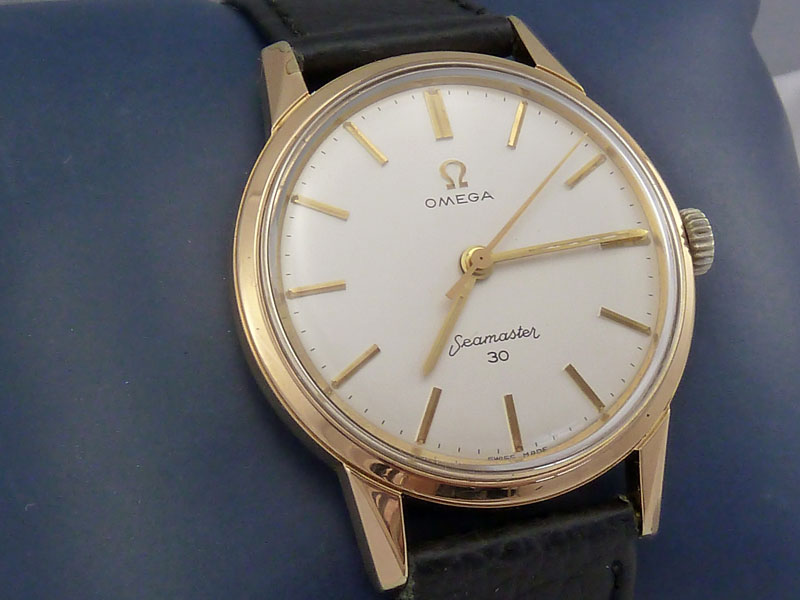
SEAMASTER
Just a little over a decade later in 1948, Omega watches introduced the first edition of one of its most symbolic watches: the Seamaster. The first Seamaster was rolled out to celebrate the company’s 100th Anniversary. To this day, the model is still one of the most respected watches in the Omega family.
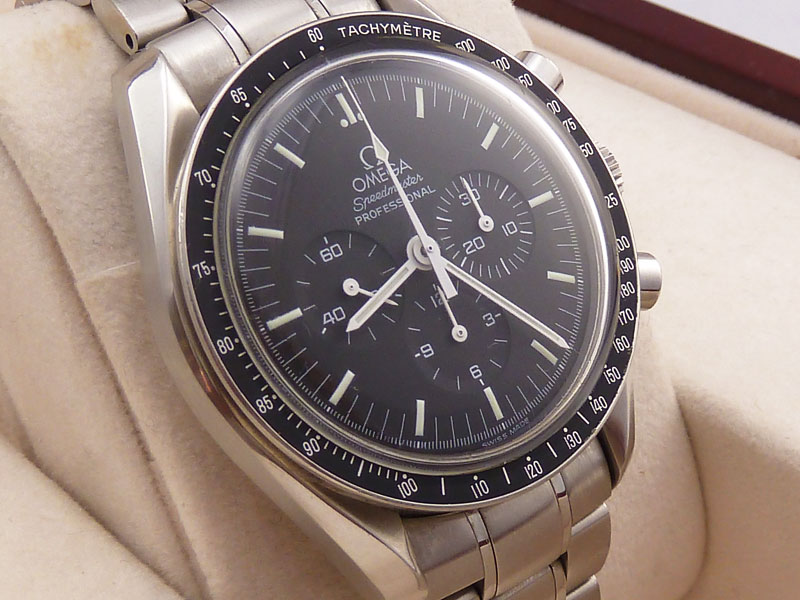
SPEEDMASTER
In 1962, Omega made history when astronaut Wally Schirra wore a Speedmaster on his Mercury Sigma 7 Mission, making it the first Omega watch to enter space. Just three years later, the company received a significant endorsement from NASA, which solidified the Speedmaster as the official chronograph for American space missions.
In 1969, the Omega Speedmaster was a part of the first trip to the moon, worn on the wrist of Buzz Aldrin. And in 1970, the Speedmaster was crucial in helping the astronauts of the Apollo 13 mission return home safely. Even today, Omega and space programs worldwide continue to work in tandem to create some of the most effective tools for the trade.
Omega earned widespread popularity in the 1990s as the official watch of James Bond after an Omega Seamaster appeared on the wrist of Pierce Brosnan. Whether it’s space, sports or pop culture, Omega has easily preserved its reputation as one of the greatest watch brands in the world.
Omega Watches previously serviced by ourselves.
| Title | Image |
|---|---|
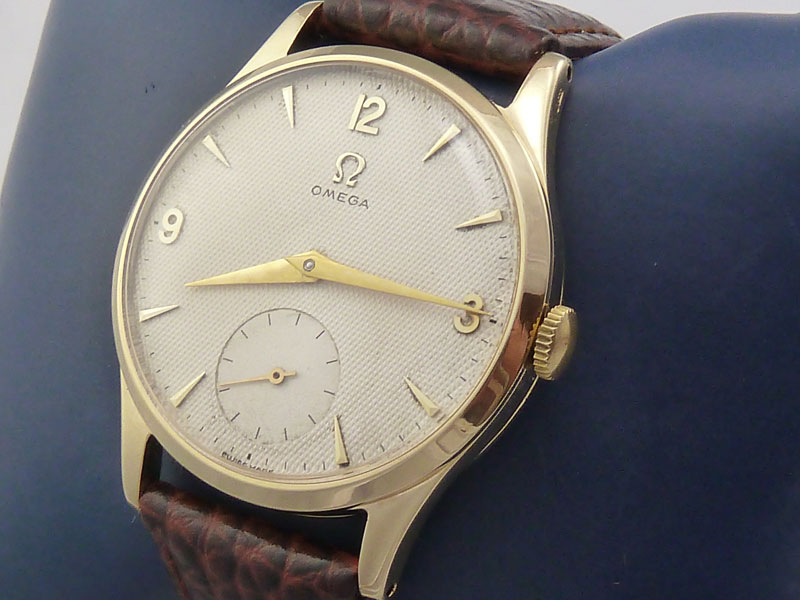
Omega 9ct Gold 1952 |
 |
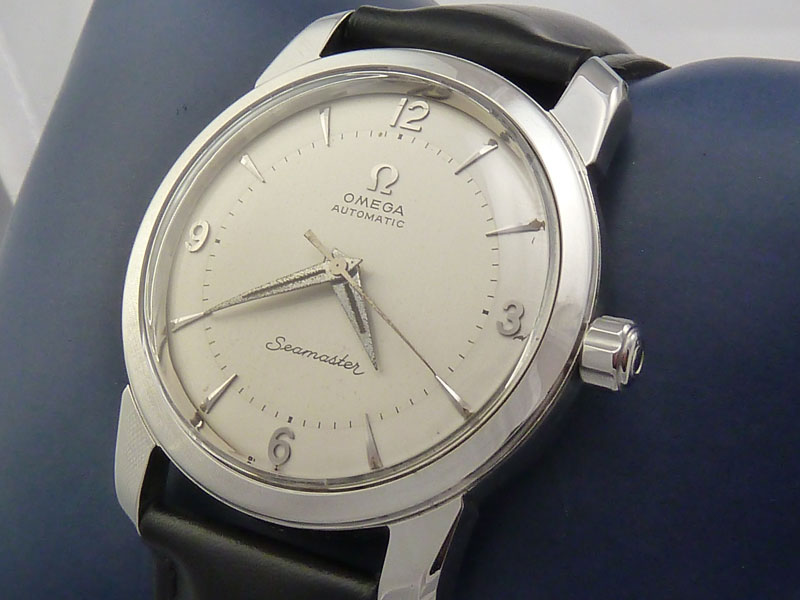
Omega Seamaster Auto c.1956 |
 |
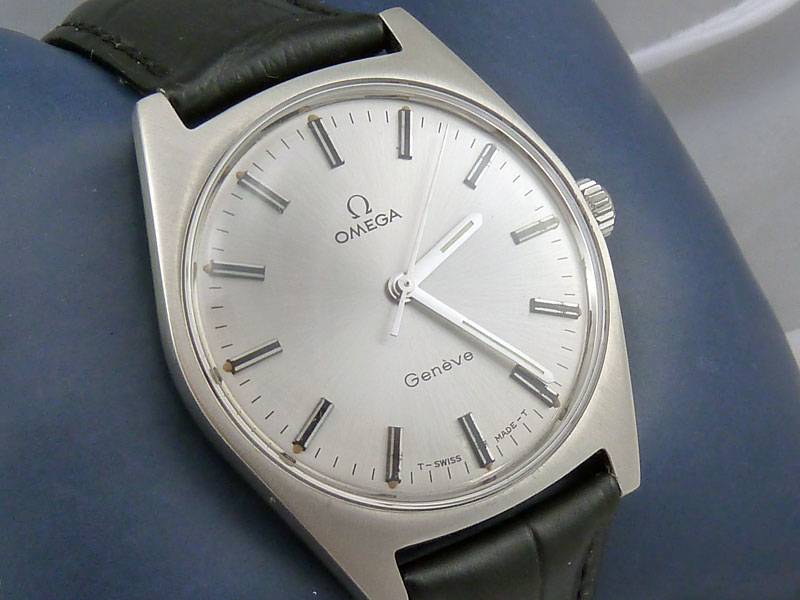
Omega Geneve135.041 c.1970 |
 |
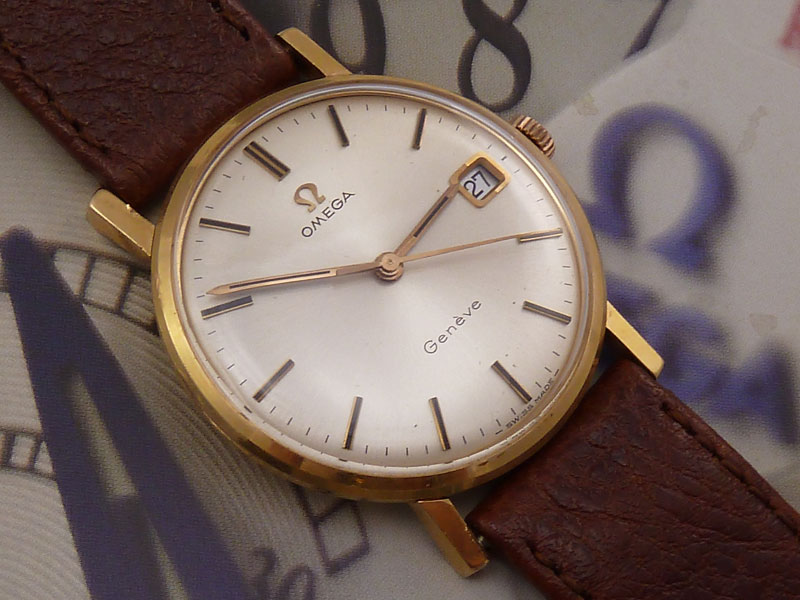
Omega Geneve 18k gold c.1969 |
 |
Omega Speedmaster Moonwatch c.2005 |
 |
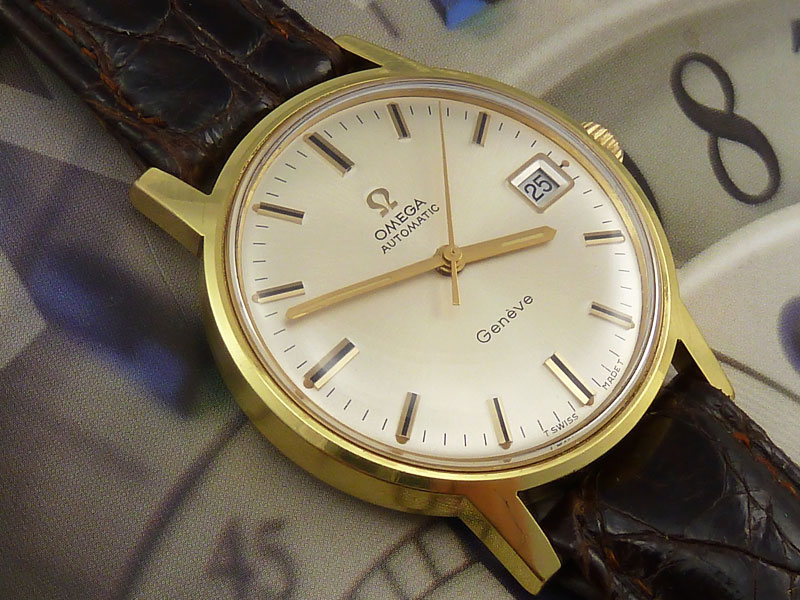
Omega Geneve Automatic c.1970 |
 |
Omega Seamaster 30 c.1962 |
 |
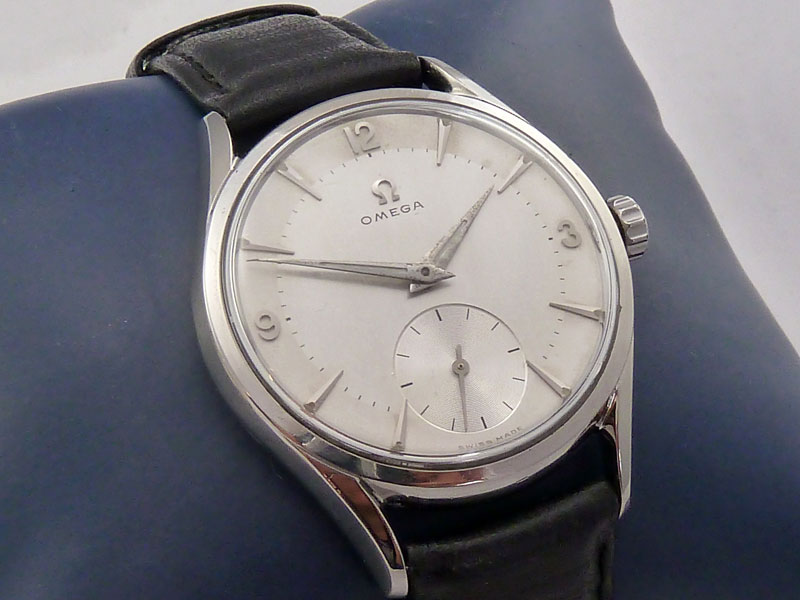
Omega 2791-1 c.1954 |
 |
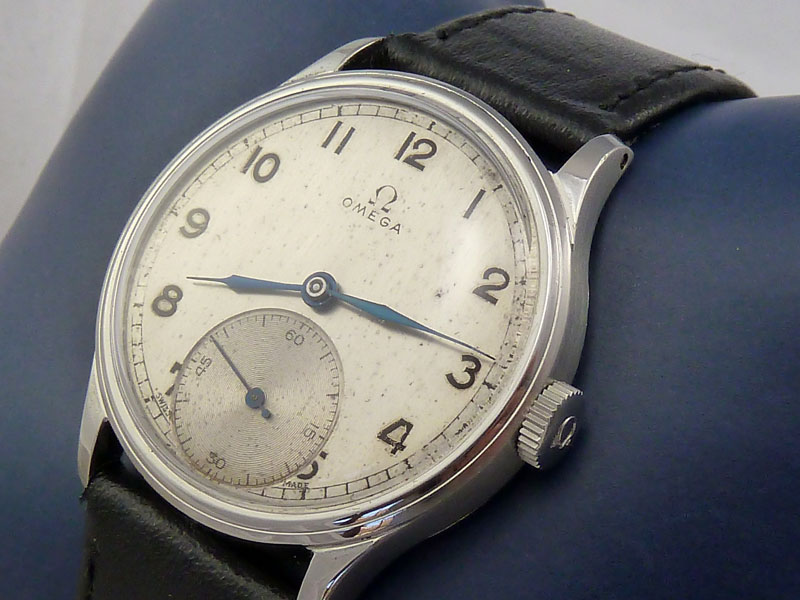
Omega WWII c.1940 |
 |
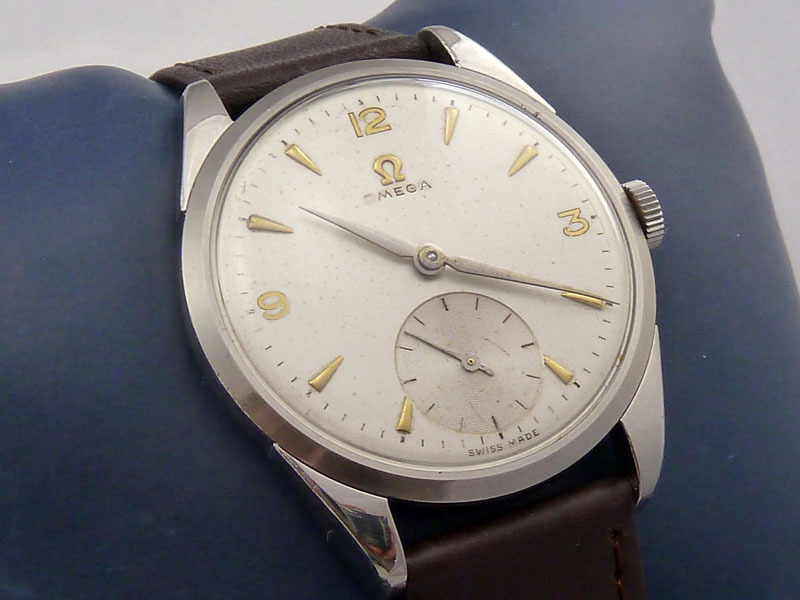
Omega 2900 cal.267 c.1958 |
 |
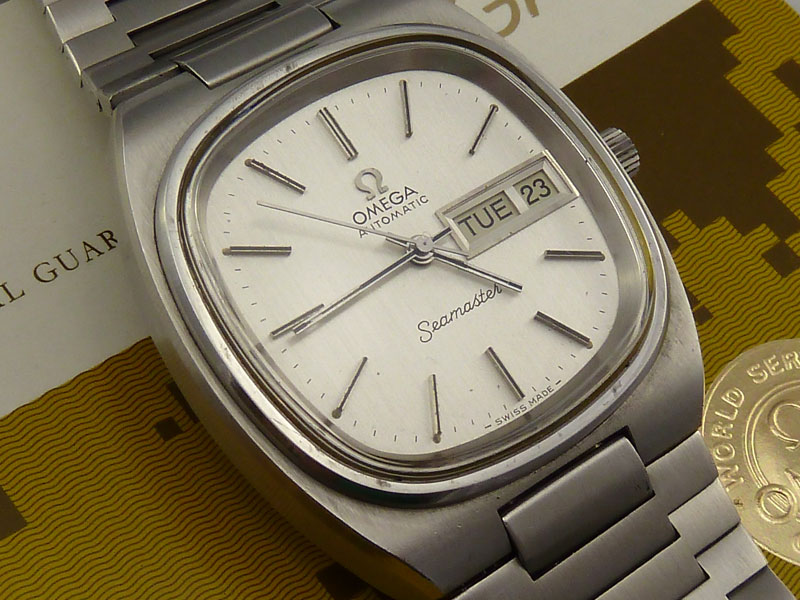
Omega Seamaster Automatic 1983 |
 |
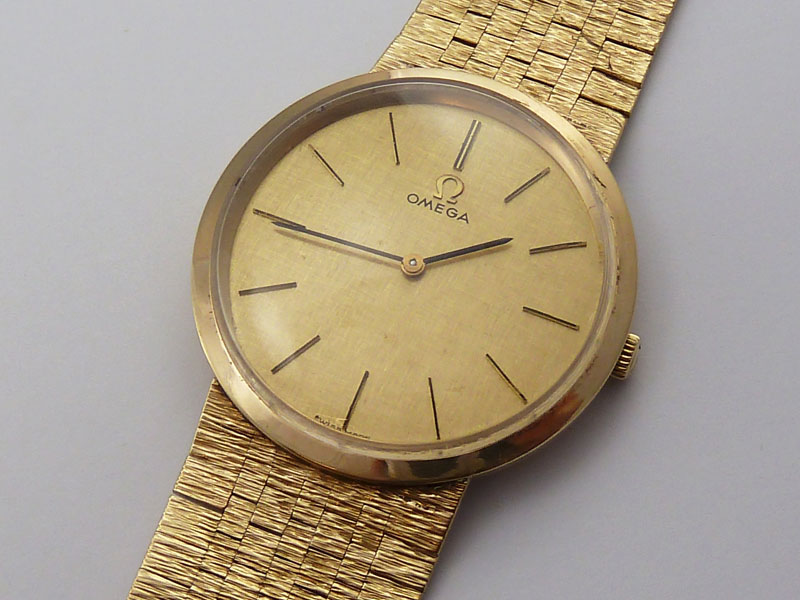
Omega 9ct gold c.1968 |
 |
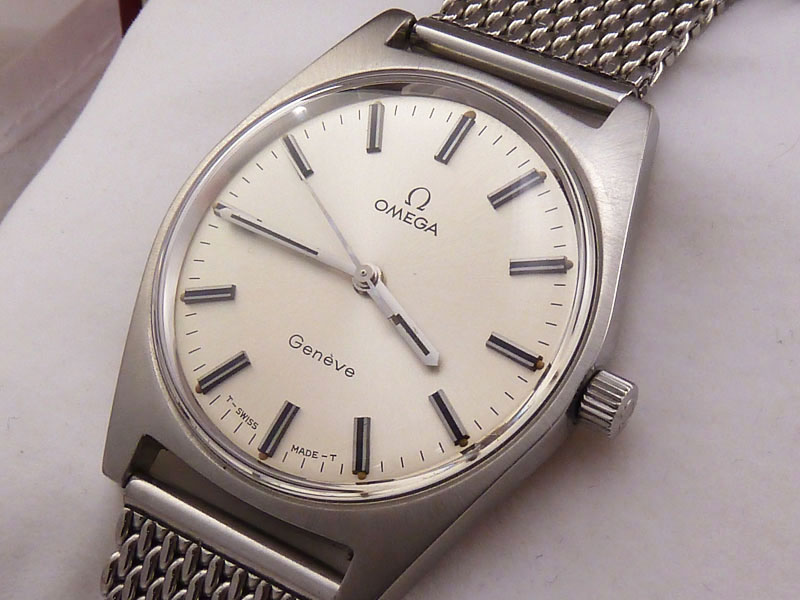
Omega Geneve c.1970 |
 |
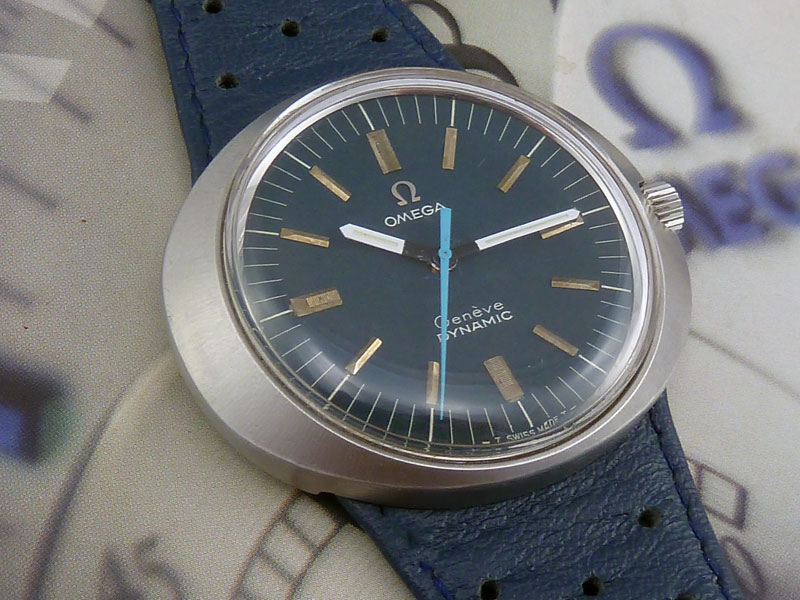
Omega Geneve Dynamic c.1969 |
 |
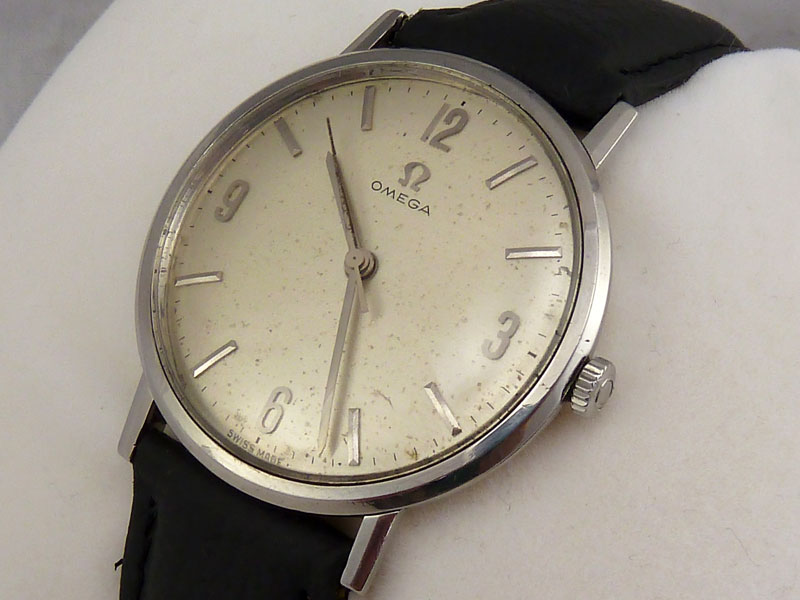
Omega 131.015 c.1964 |
 |
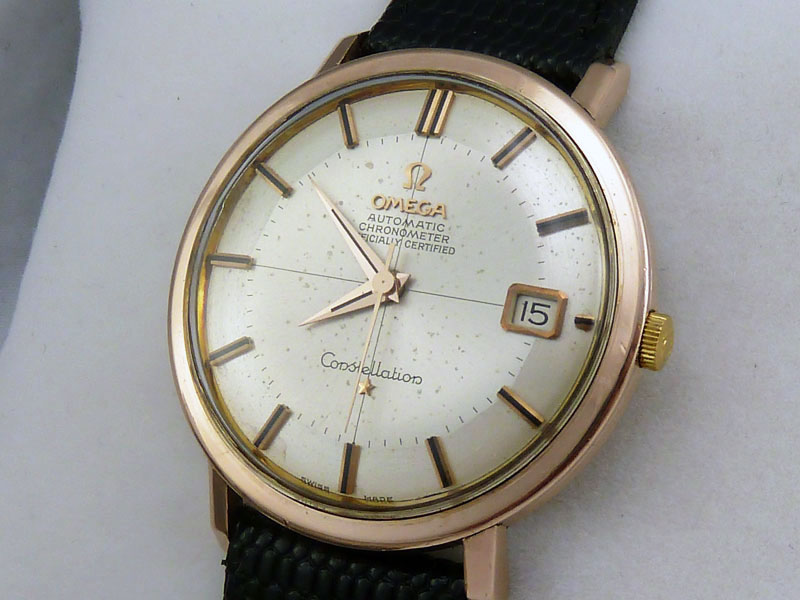
Omega Constellation 168.004 c.1966 |
 |
Omega cal. 266 c.1955 |
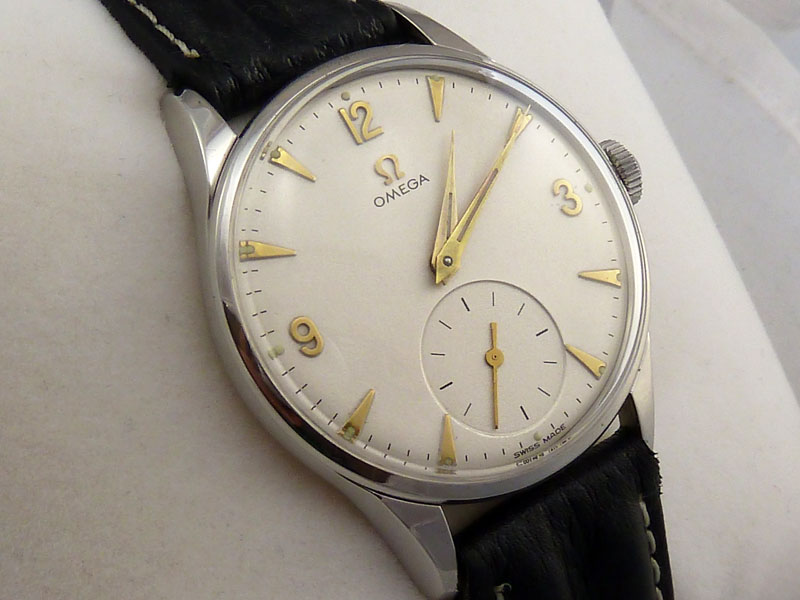 |
Omega Seamaster Bumper Auto c.1952 |
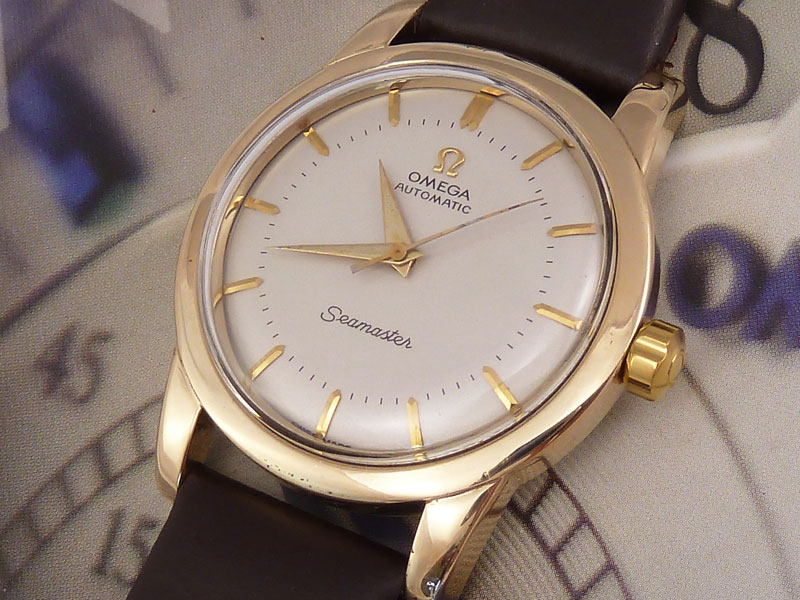 |
Omega Dynamic Ladies c.1970 |
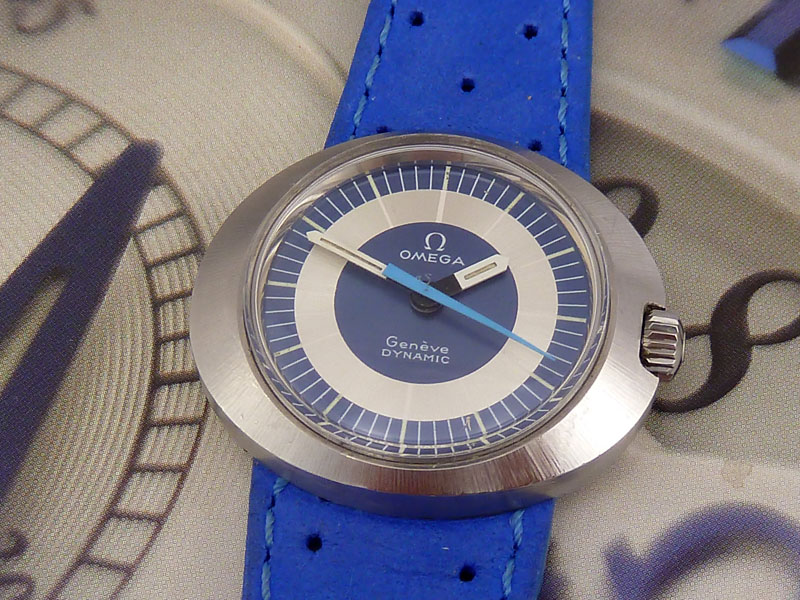 |
Omega Constellation 168.004 c.1963 |
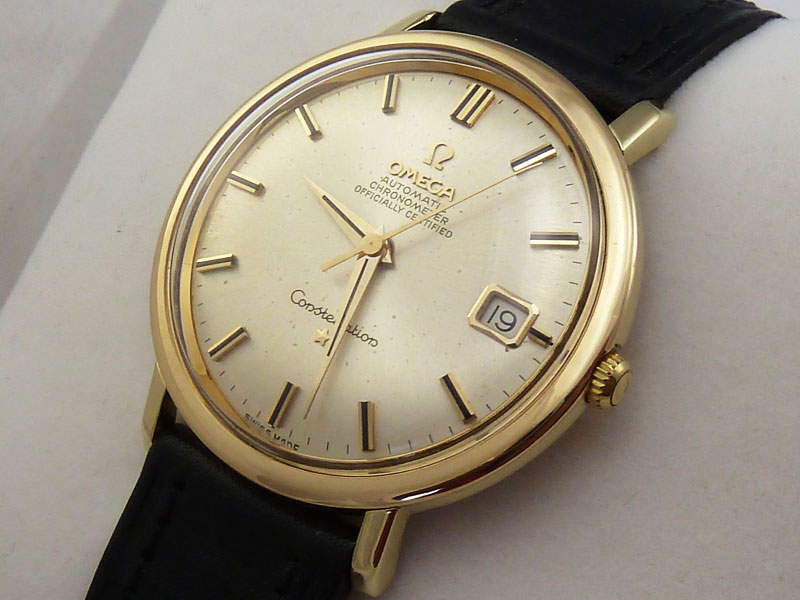 |
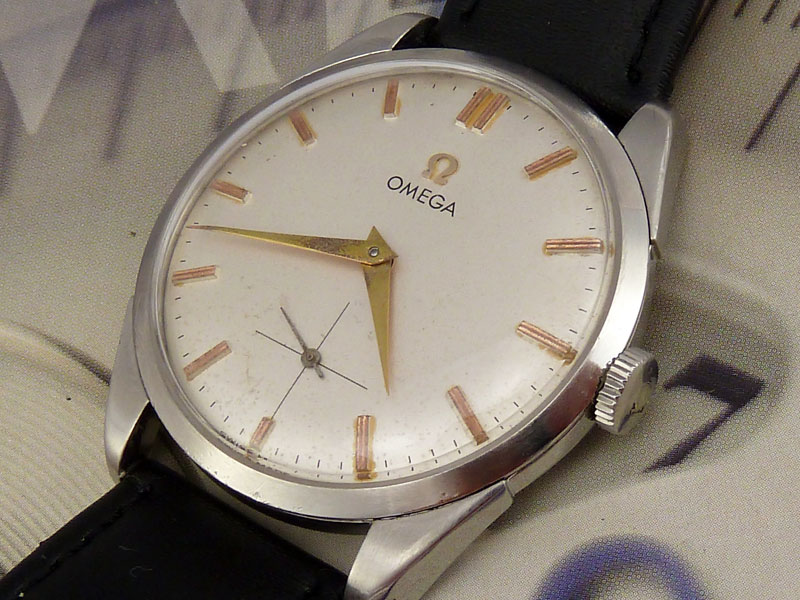
Omega 2900 cal.267 1960 |
 |
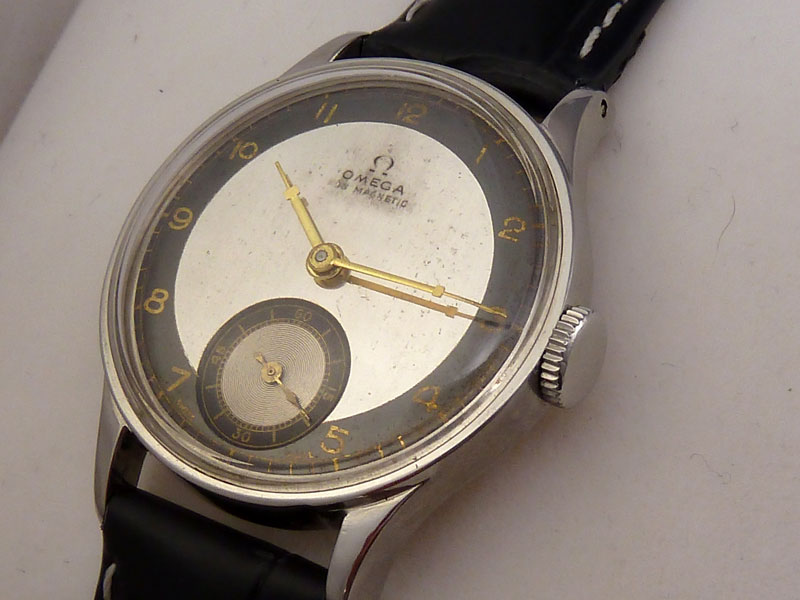
Omega WWII c.1939 |
 |
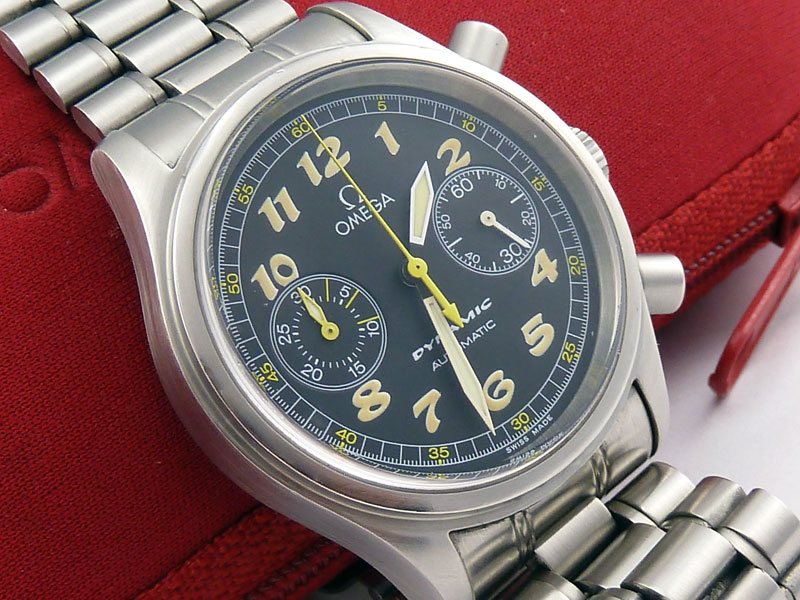
Omega Dynamic III Chronograph 5240.50.00 |
 |
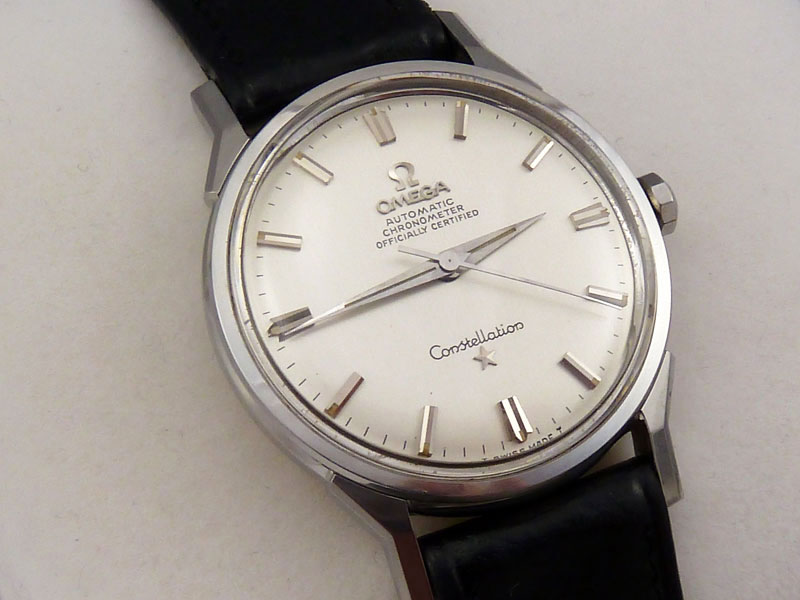
Omega Constellation 167.005 Automatic c.1967 |
 |
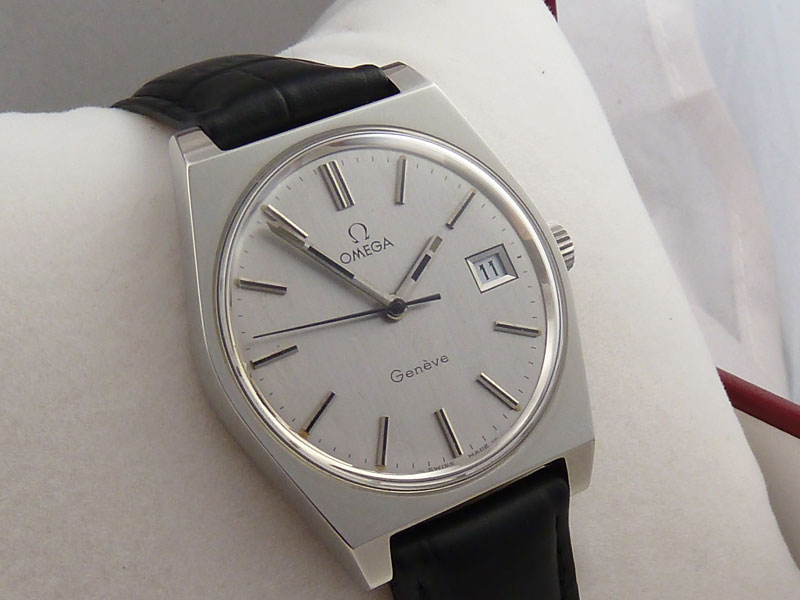
Omega Geneve 136.049 c.1972 |
 |
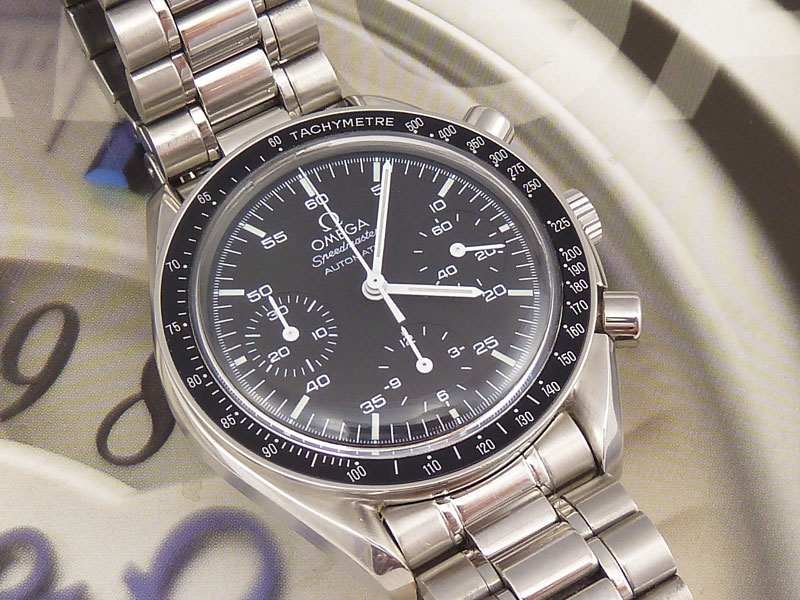
Omega Speedmaster 3510.50.00 Auto c. 1998 |
 |
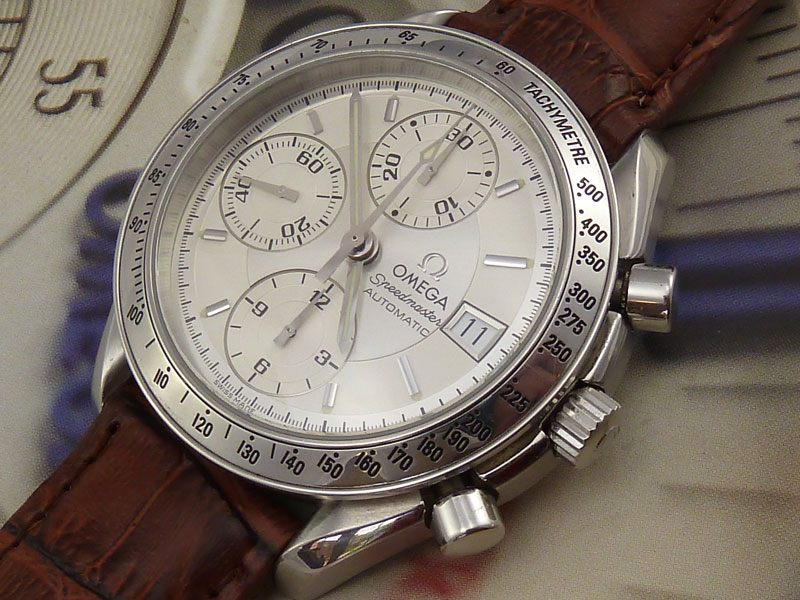
Omega Speedmaster Date 3813.30.11 Auto 2003 |
 |
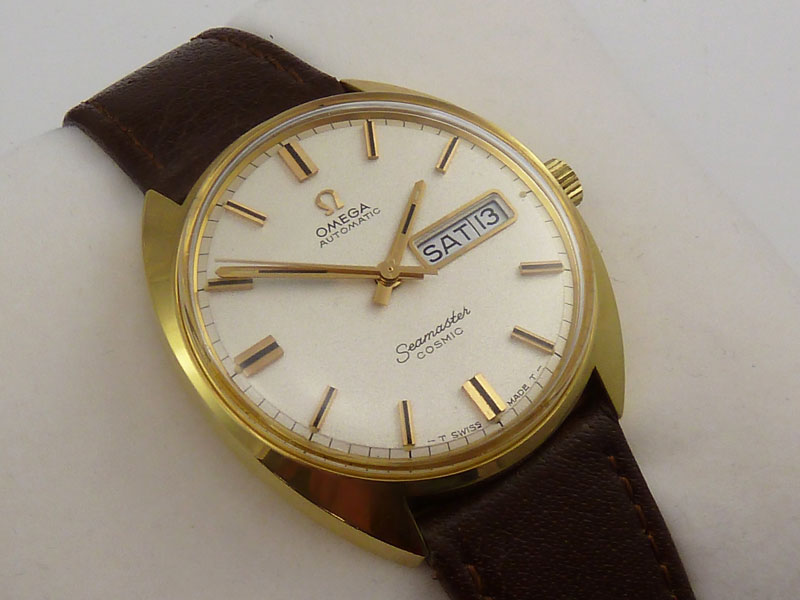
Omega Seamaster Cosmic Automatic 1967 |
 |
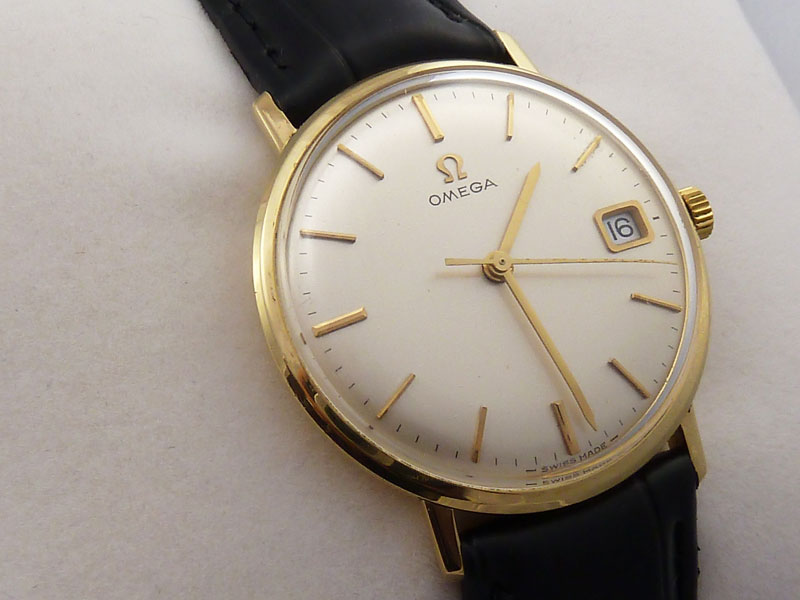
Omega 18k Gold c.1966 |
 |
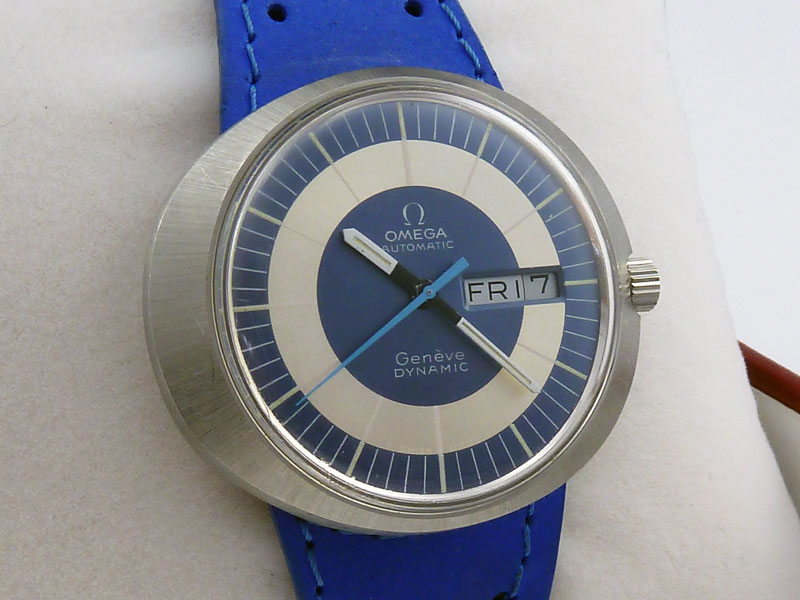
Omega Dynamic 166.079 c.1970 |
 |